
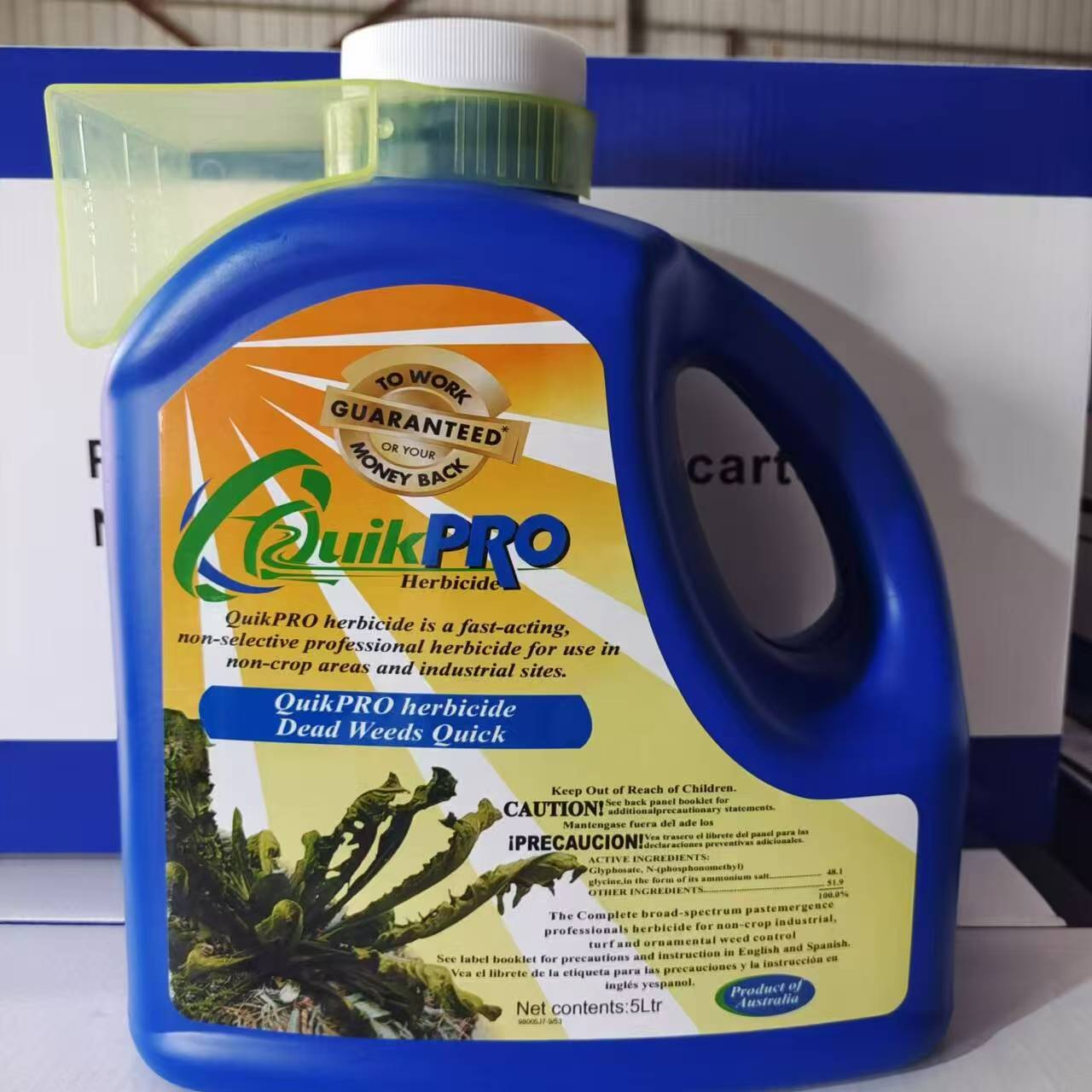
Glyphosate is a broad-spectrum, systemic, non-selective herbicide.
Its core mechanism of action is to kill weeds by interfering with specific metabolic pathways within plants. Specifically:
1. Mechanism of Action
Glyphosate inhibits the activity of EPSP synthase in plants, blocking the synthesis of aromatic amino acids (phenylalanine, tyrosine, and tryptophan).
These amino acids are key protein precursors essential for plant growth.
A deficiency leads to metabolic disorders in plants, preventing the normal synthesis of proteins and other important substances.
2. Characteristics of Action
Systemic: After spraying, it is absorbed through the leaves and rapidly transported to the roots, stems, leaves, and even underground organs of the plant.
Non-selective: It is effective against most annual and perennial weeds, including deep-rooted weeds.
Non-selective: If left untreated, it will also kill crops or beneficial plants that come into contact with the herbicide.
Slow-acting: It usually takes several days to two weeks for weeds to completely die.
3. Practical Applications
No-till farming: Treats existing weeds before sowing.
Orchards, woodlands, and non-cultivated land: Controls various weeds and prevents competition.
Glyphosate-tolerant genetically modified crops: Such as soybeans, corn, and cotton; spraying after planting kills weeds without harming the crop.
Roads, factory areas, railways, etc.: Used for large-scale weed control.
4. Precautions
- Avoid drift to other crops or sensitive plants during use.
- Effective only upon contact with green stems and leaves; ineffective on roots not yet emerged or lignified bark.
- Long-term, high-volume use may lead to resistance in some weeds.
Post time: Jun-02-2026

