
For the control of ryegrass (mainly Lorula multiflora)
the core challenge is herbicide resistance.
1: Pinoxaden: Currently the mainstream choice with relatively stable efficacy and high safety for wheat.
2: Pyroxsulam: Effective at conventional dosages.
Severe resistance (studies show 32% of populations have high levels of resistance),
recommended for use in combination with other herbicides.
3: Mesosulfuron-methyl: Often used in combination with Pinoxaden to enhance efficacy.
4: Bixlozone is an effective choice for treating “super-resistant” ryegrass.
High-Efficiency Compound Solutions
1. Pre-emergence Herbicides
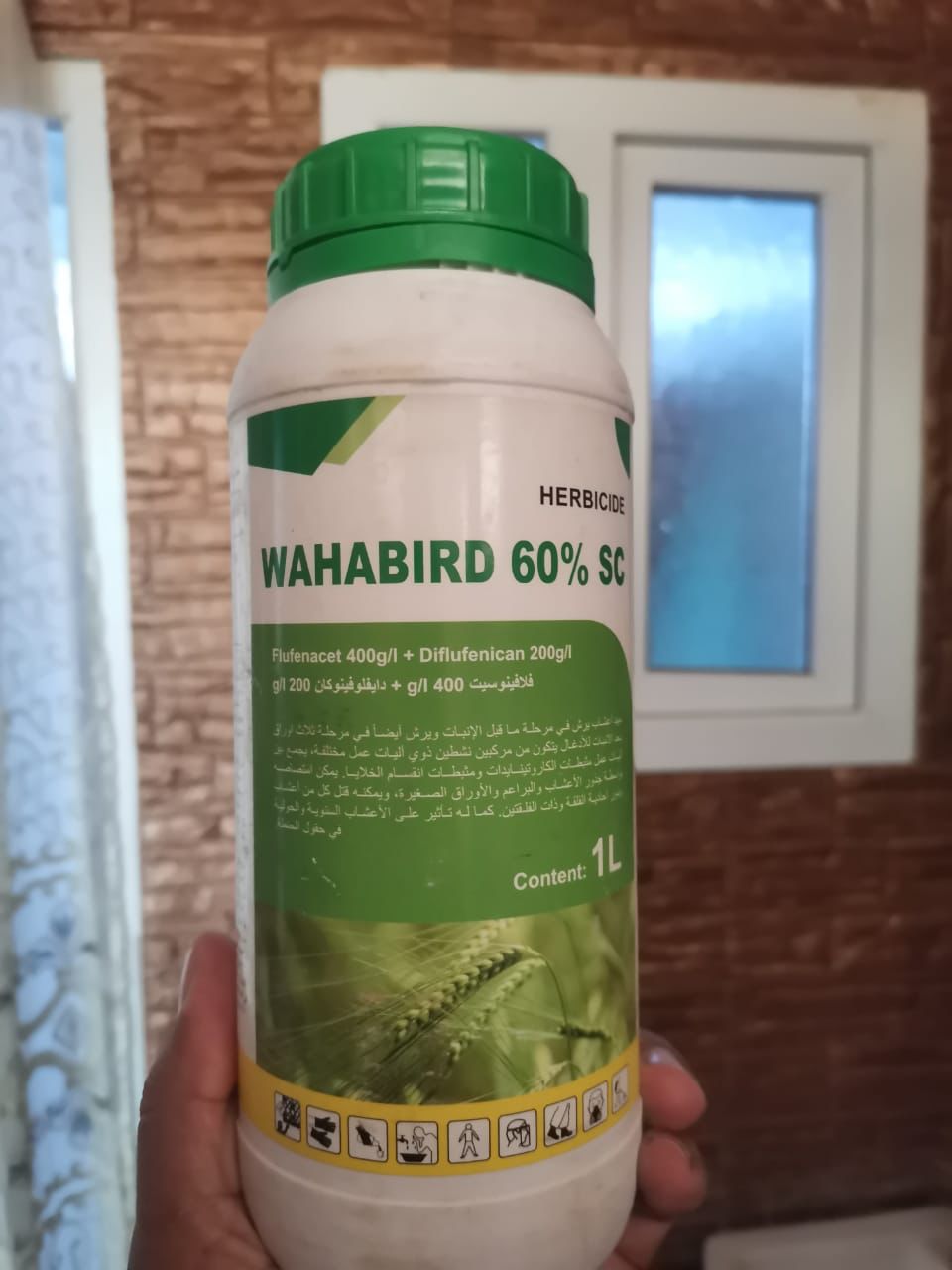
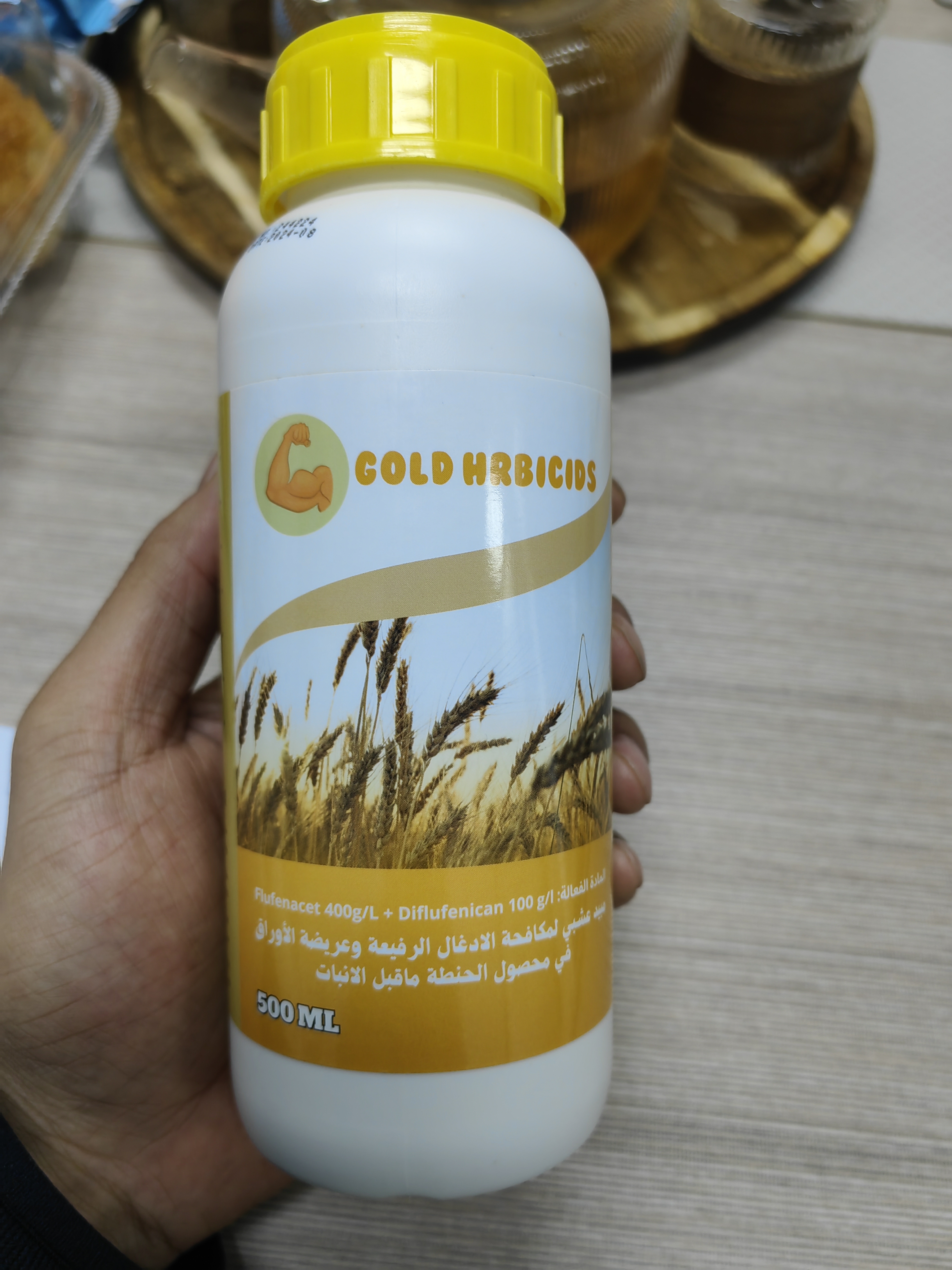
Solution A: Pyroxasulfone + Diflufenican
Pyroxasulfone has a prominent pre-emergence effect on ryegrass.
Studies show that this combination achieves 94.27%~100% fresh weight control efficacy against Lorula multiflora.
Solution B: Pyroxasulfone + Isoproturon
Combines pre-emergence herbicides with early-stage herbicides, providing a long-lasting effect. 2. Post-emergence Foliar Treatment
For weeds that have already emerged, the best results are achieved when the weeds are at the 2-4 leaf stage.
Option A: Bixlozone + Isoproturon
This is the perfect combination for controlling resistant ryegrass.
Application before the new year achieves up to 99.3% control efficacy against ryegrass,
and because Bixlozone has a novel mechanism of action, it effectively kills resistant weeds.
Option B: Pinoxaden + Mesosulfuron-methyl (or Pyroxsulam)
This combination of agents with different mechanisms of action increases the weed kill rate.
For older weeds, the dosage of Pinoxaden should be increased appropriately.
Post time: Jun-04-2026

